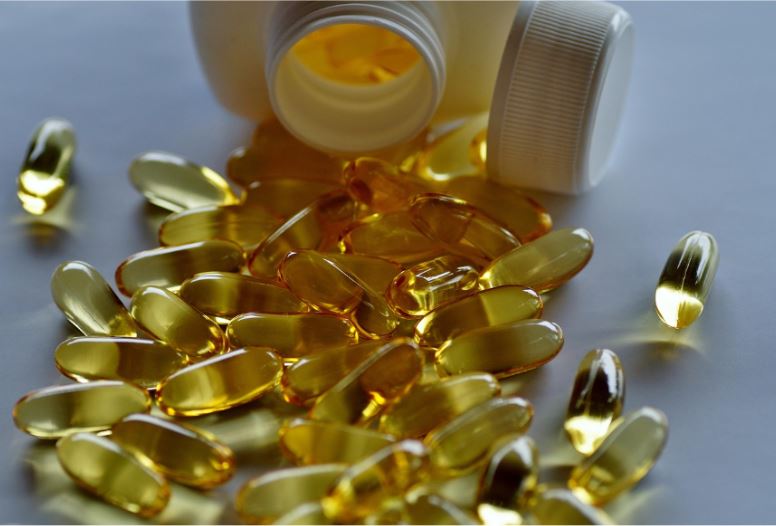
Maintaining good vision is no longer just about regular eye checkups. Daily screen exposure, environmental stress, and aging all place extra strain on the eyes. While diet and lifestyle remain important, many people now turn to eye supplements to support long-term eye health.
This guide explains how eye supplements work, what nutrients matter most, and how to choose the right support for your vision.
Why Eye Supplements Are Important
The eyes require a constant supply of nutrients to function properly. However, modern diets and lifestyles often fall short in delivering optimal levels of key vitamins and antioxidants.
Eye supplements help by:
- Supporting retinal function
- Protecting against oxidative stress
- Reducing symptoms of digital eye strain
- Lowering the risk of age-related eye conditions
They are especially useful for individuals with high screen time, poor dietary intake, or existing eye concerns.
Common Eye Problems Supplements Can Help With
Digital Eye Strain
Long hours in front of screens can lead to dryness, blurred vision, and fatigue.
Helpful nutrients:
- Lutein and zeaxanthin
- Omega-3 fatty acids
Dry Eye Syndrome
This occurs when tear production is insufficient or unstable.
Helpful nutrients:
- Omega-3 fatty acids
- Vitamin A
Cataracts
Clouding of the lens can develop over time due to oxidative damage.
Helpful nutrients:
Macular Degeneration
A leading cause of vision loss affecting the central retina.
Helpful nutrients:
- Lutein
- Zeaxanthin
- Beta-carotene
Diabetic Retinopathy
High blood sugar levels damage blood vessels in the retina.
Helpful nutrients:
Key Nutrients Found in Eye Supplements
- Vitamin A
Supports night vision and maintains a healthy retina.
Common sources include carrots and Gac fruit.
- Lutein and Zeaxanthin
These carotenoids filter harmful blue light and protect the macula.
- Omega-3 Fatty Acids
Help maintain tear quality and reduce inflammation linked to dry eyes.
- Vitamin C
Supports blood vessels in the eyes and reduces oxidative stress.
- Vitamin E
Protects eye cells from damage caused by free radicals.
Why Gac Fruit Oil Is Gaining Attention
Gac fruit oil is increasingly used in eye supplements due to its high concentration of carotenoids.
It contains:
- Beta-carotene for vitamin A production
- Lycopene for antioxidant protection
- Lutein for macular health
This combination makes it a strong ingredient for supporting overall eye function.
Do Eye Supplements Really Work?
Eye supplements are not a cure, but they play a supportive role in maintaining eye health.
Research shows that specific nutrient combinations can:
- Slow progression of age-related eye conditions
- Improve symptoms of dryness and fatigue
- Enhance visual comfort during screen use
Results vary depending on consistency, diet, and existing health conditions.
How to Choose the Right Eye Supplement
Look for products that contain:
- Lutein and zeaxanthin
- Vitamin A, C, and E
- Omega-3 fatty acids
- Natural antioxidant sources like Gac fruit oil
Avoid supplements with unnecessary fillers or extremely low nutrient dosages.
Additional Tips to Support Eye Health
Supplements work best when combined with healthy habits:
- Follow the 20-20-20 rule during screen use
- Wear UV-protective sunglasses outdoors
- Stay hydrated to support tear production
- Eat leafy greens and colorful fruits
- Schedule regular eye exams
FAQs About Eye Supplements
1. What are the best supplements for eye health?
The most effective, best eye supplements typically include lutein, zeaxanthin, vitamin A, vitamin C, vitamin E, and omega-3 fatty acids.
2. Can eye supplements improve vision?
They do not correct vision like glasses, but they help support eye function and may reduce symptoms such as dryness and strain.
3. How long does it take for eye supplements to work?
Most people notice improvements in 4 to 12 weeks, depending on the condition and consistency of use.
4. Are eye supplements safe for daily use?
Yes, when taken as directed. It is best to follow recommended dosages and consult a healthcare professional if needed.
5. Who should take eye supplements?
They are beneficial for individuals with high screen time, aging adults, and those with nutrient deficiencies or early signs of eye strain.
Final Thoughts
Eye health requires consistent care, especially in today’s digital environment. While diet and lifestyle remain essential, choosing the best eye supplement in Singapore can provide targeted nutritional support to help protect and maintain vision over time.
Formulations that include Gac fruit oil, antioxidants, and essential vitamins offer a practical way to support long-term eye wellness and visual comfort.